Lawn Care Guide
Your season-by-season roadmap to a lawn you are proud of. No fluff, no jargon, just advice that works.
Find Your Climate Zone
Northern (Cool-Season)
ME, NH, VT, MA, CT, RI, NY, NJ, PA, OH, MI, IN, WI, MN, IA, ND, SD, NE, MT, WY, ID, WA, OR
Kentucky Bluegrass, Tall Fescue, Fine Fescue, Perennial Ryegrass
Fall is your #1 feeding season. Spring is #2. Go easy in summer.
Transition Zone
VA, WV, KY, TN, NC, MO, KS, OK, AR, DE, MD, DC
Tall Fescue, Bermuda, Zoysia, Kentucky Bluegrass (northern areas)
You can grow both cool and warm-season grasses. Match your feeding schedule to your grass type.
Southern (Warm-Season)
SC, GA, FL, AL, MS, LA, TX, AZ, NM, CA (southern), HI
Bermuda, Zoysia, St. Augustine, Centipede, Bahia
Feed heavy May through September during active growth. Do not fertilize dormant winter grass.
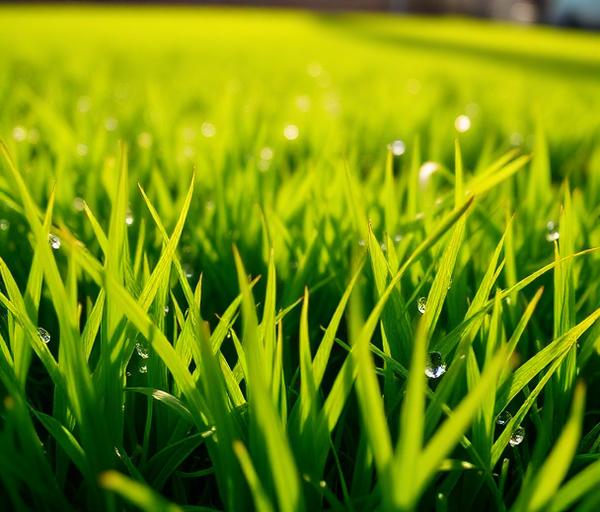
Spring Preparation
That first warm weekend is your signal. The lawn has been asleep all winter and now it is waking up hungry. What you do in the next few weeks sets the tone for the whole year.
What to Do
- +Start feeding once soil temps hit 55°F and stay there. That is when grass actually starts absorbing nutrients.
- +Put down pre-emergent weed control early. Once weeds are visible, the window has already closed.
- +Water deeply after the first application. Half an inch minimum to move the product in.
- +Set the mower to 3 to 3.5 inches. Feels tall, but it drives roots deeper.
Mistakes to Avoid
- ✕Fertilizing too early. If the ground is still cold, the nutrients just sit there and wash out with the next rain.
- ✕Scalping the lawn on the first mow. Short feels productive. It stresses the grass right when it needs energy.
Pro Tip
If you do one thing this spring, put down a slow-release nitrogen. It is the biggest single lever for a thick green lawn all season.
Seasonal Checklist
- Soil temperature test (55°F+)
- First fertilizer application
- Pre-emergent weed treatment
- Mower blade sharpening
- Irrigation system check

Summer Maintenance
Summer is survival mode. Heat, sun, foot traffic. The goal right now is not pushing growth. It is protecting what you already built.
What to Do
- +Water early morning, before 9 AM. Evening watering sounds fine, but it invites fungal problems overnight.
- +Switch to a potassium-heavy feed. Potassium works like sunscreen for grass. It builds heat tolerance.
- +Raise the mowing height to 3.5 to 4 inches. Taller grass shades the soil and holds moisture longer.
- +Brown patches show up, do not panic. Most warm season lawns come back once temperatures drop.
Mistakes to Avoid
- ✕Watering every day for 10 minutes. It feels like you are doing the lawn a favor. Shallow watering trains roots to stay at the surface, which is exactly wrong when July hits.
- ✕Putting down high-nitrogen fertilizer in the heat. You will burn the lawn faster than you can say what happened.
Pro Tip
Add humic acid to the summer routine. Improves water retention, feeds the soil microbes, and helps the grass handle stress.
Seasonal Checklist
- Switch to morning watering schedule
- Raise mower height to 3.5 to 4 inches
- Apply potassium-rich fertilizer
- Watch for brown patch signs
- Add humic acid treatment
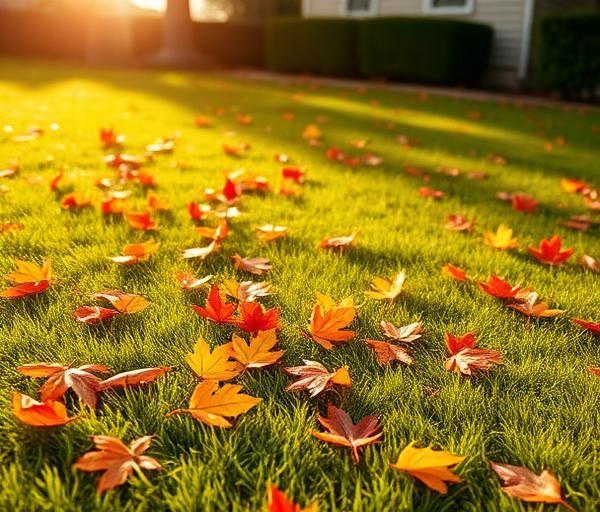
Fall Recovery
Most people do not know this. Fall is actually the most important feeding season of the year. Cool nights and warm days create the right conditions for root growth. What you do now pays off in spring.
What to Do
- +Put down a phosphorus-rich fertilizer 6 to 8 weeks before first expected frost. This feeds the roots, not the blades.
- +Overseed thin or bare spots now. Fall germination rates run about 40% higher than spring.
- +Aerate compacted soil before fertilizing. Compacted soil blocks nutrients from reaching roots.
- +Keep mowing at regular height until growth stops. Do not let the lawn get shaggy going into winter.
Mistakes to Avoid
- ✕Skipping fall fertilization. If you only feed the lawn once a year, this is the one. It matters more than spring.
- ✕Letting leaves pile up for weeks. A thick layer blocks sunlight and traps moisture. That is snow mold waiting to happen.
Pro Tip
If you only fertilize once a year, make it fall. Fall feeding builds the root system that carries the lawn through winter and gives you the head start in spring the neighbors will notice.
Seasonal Checklist
- Core aeration
- Overseed thin areas
- Phosphorus-rich fertilizer application
- Leaf removal schedule
- Final mow before dormancy

Winter Dormancy
Winter is rest time for you and the lawn. Most grasses go dormant. The brown color is not death, it is sleep. The job now is simple. Do not make anything worse, and set the stage for spring.
What to Do
- +Test your soil pH. Winter is the right time for lime if your pH has dropped below 6.0.
- +Apply humic acid to improve soil structure during the off-season. Soil biology does not fully shut down underground.
- +Keep leaves and debris cleared to prevent snow mold and fungal issues.
- +Stay off frozen grass when you can. Walking on frozen blades breaks the cell walls.
Mistakes to Avoid
- ✕Fertilizing frozen or dormant lawns. The grass cannot use it. Those nutrients run off into storm drains. Wasted money, bad for what lives downstream.
- ✕Ignoring your equipment. Winter is the right time to sharpen mower blades, service the spreader, and plan spring.
Pro Tip
Use winter as planning time. Review what worked last year, what did not, and map out the feeding schedule for the coming season. The best lawns are not accidents.
Seasonal Checklist
- Soil pH test
- Lime application if needed
- Equipment maintenance
- Plan spring feeding schedule
- Clear debris and leaves
Not sure where to start?
Take the Lawn Quiz